

Questions & Answers about Shade Sails
What is a shade sail, and how does it work?
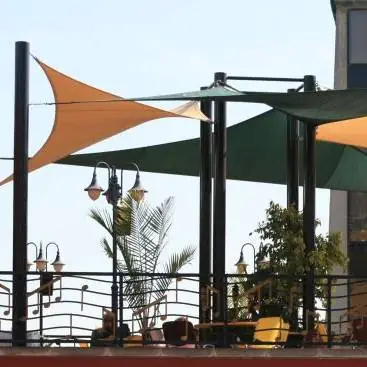
A shade sail is a modern, tensioned fabric canopy that provides effective sun protection for any outdoor space. Inspired by a ship's sail, it is made from durable, UV-resistant materials like high-density polyethylene (HDPE) or acrylic canvas. The sail is anchored, with about 150lbs of tension, at its corners to poles, walls, or other sturdy structures, creating a stable and wind-resistant cover. Known for their aesthetic appeal and versatility, shade sails are a popular solution for creating comfortable outdoor recreational environments in both residential and commercial settings, including patios, decks, pools, playgrounds, courtyards and dining areas.
(Source: Enhanced by BackyardCity.com)
Does a commercial shade sail installation require a building permit, and what documents will I need?
For most commercial installations, the answer is yes, a building permit is very likely required. Any shade sail installed over a public or semi-public space -- such as a restaurant patio, school playground, park, or retail outdoor area -- will typically fall under the jurisdiction of your local building department and may also require review by a fire marshal.
The documents most commonly required for a commercial shade sail permit include:
- A site plan showing the location, dimensions, and layout of the sail and all attachment points
- Stamped engineering drawings from a licensed structural engineer showing load calculations, footing design, and post specifications
- Wind load calculations -- your local jurisdiction will specify a design wind speed (commonly 90 mph to 130 mph depending on location and exposure category)
- Fabric fire rating documentation -- most jurisdictions require NFPA 701 and/or ASTM E84 Class A compliance. Commercial 95 fabric meets both standards across all colors.
- California State Fire Marshal approval is required if the project is in California. Commercial 95 meets CSFM Title 19 requirements.
- Footing specifications and concrete calculations for any new posts being set in the ground
We strongly recommend checking with your local building department and fire marshal before ordering your sail. Permit timelines can add 3 to 8 weeks to a project schedule, so starting the approval process early is important. When you request a quote from us, we provide a calculated estimated maximum force per corner at a 90 mph wind gust, which is often useful documentation when working with your engineer or building department.
(Answered by our BackyardCity.com Experts)Why does a commercial shade sail require stainless steel cable perimeter instead of webbing, and what are the differences?
Many local and state building codes -- especially for commercial applications, schools, parks, and public spaces -- require that shade sail perimeters be constructed with stainless steel aircraft cable rather than woven webbing. The primary reasons are strength, longevity, and code compliance.
Here is how the four perimeter options compare:
- 1.5 inch webbing -- Rated to 1,800 lb break strength. Best for smaller residential sails up to approximately 185 square feet for 3-corner sails. Not suitable for commercial applications.
- 2 inch webbing -- Rated to 5,500 lb break strength. Suitable for heavy-duty residential and light commercial applications up to approximately 560 square feet for 3-corner sails.
- 1/8 inch stainless steel cable -- 400 lb working load, 2,000 lb break strength. Used for smaller commercial applications where local codes require a steel cable perimeter. Suitable for sails up to approximately 200 square feet for 3-corner sails.
- 1/4 inch stainless steel cable -- 1,400 lb working load, 6,000 lb break strength. Required for larger commercial installations. Suitable for 3-corner sails up to approximately 620 square feet. This is the specification most commercial building departments and engineers will specify for public-facing shade structures.
Stainless steel cable also provides an important practical advantage: cable perimeters are end-user adjustable. Fabric stretches over time but cable does not, so the cable tension can be re-tightened at the corner wire clamps as the sail ages. Two wire clamps are included at one corner of all cable-perimeter sails for this purpose.
If you are unsure which perimeter type your local code requires, contact your building department or provide your project location and we can advise based on typical requirements for your area.
(Answered by our BackyardCity.com Experts)How much force will a shade sail put on each attachment point in high winds, and how do I know if my structure can handle it?
This is one of the most important questions to answer before you order a shade sail -- and one that very few manufacturers address directly. BackyardCity.com is one of the only shade sail manufacturers that calculates and provides a close estimated maximum force per corner that the sail could exert onto what it will be attached to for each sail we quote.
Here is how to think about it: when a 90 mph wind gust strikes a shade sail at 90 degrees to its surface for at least 3 seconds, the wind pushes on the entire fabric surface area at about 29lbs / square feet. . That total force is then distributed to each corner fairly equally. We chose 90 mph as that is generally accepted max wind speed that could occur anywhere in the USA & Canada at least once a year. It is required by engineers and architects to be used in their wind load calculation for roofs, walls when designing buildings as per the International Building Codes.(formerly called the Uniform Building Code).
As a practical example: A 344 square foot shade sail could generate about 10,000 pounds of total wind force during a 90mph wind gust. If has 4 corners, then each corner would place approximately 2,500 pounds of pull force on each attachment point. If it had 3 corners, it would pull with approximately 3,333 pounds on mounting point
This matters enormously for your structure design. Every post, footing, wall anchor, eye bolt, turnbuckle, and hardware component in the system must be rated to handle that load with an appropriate safety margin. Undersized hardware, posts set too shallow, or anchors attached to just siding, bricks or fascia instead of the framing or structure could result shade sail failures in high wind events.
When you request a quote from us, we include the estimated per-corner pull force in our quote response. You should provide this number to your structural engineer, contractor, or building department so that posts, footings, and hardware can be properly specified. The sail is only as strong as its weakest link and/or attachment point.
(Answered by our BackyardCity.com Experts)What fire rating does Commercial 95 fabric have, and will it satisfy commercial building permit requirements?
Commercial 95 fabric by Gale Pacific is one of the most thoroughly fire-tested shade fabrics available and meets or exceeds all major commercial fire standards in the United States. Specifically, Commercial 95 has been tested and certified to the following:
- NFPA 701 (Methods 1 and 2) -- The primary national standard for flame propagation in textiles and films. This is the most widely required standard for outdoor shade fabrics in the US and is typically the first thing a building department or fire marshal will ask for. Commercial 95 meets both test methods across all colors.
- ASTM E84 Class A -- The national standard for surface burning characteristics. Class A is the highest rating and is required for most commercial fabric structure applications.
- California State Fire Marshal (CSFM) Title 19, Section F-93501 -- California has some of the most stringent fire code requirements in the country. Commercial 95 has been approved to meet CSFM requirements and is one of relatively few shade fabrics that can be used in permitted California commercial installations.
In practice, when you are applying for a building permit for a commercial shade sail, the fire marshal or plan reviewer will ask you to document the fabric's fire rating. We can provide the Gale Pacific fire rating certificates and specification sheets for your submittal package upon request.
One important note: not all shade fabrics are fire rated. Many lower-cost shade fabrics sold online do not carry NFPA 701 certification and cannot legally be used in commercial, public, or permitted installations. Always verify fire rating documentation before selecting a fabric for any commercial project.
(Source: Enhanced by BackyardCity.com)Does a shade sail need to be removed in bad weather or winter, and what is the recommended practice for a commercial installation?
The answer depends on your climate, the severity of the weather, and the type of perimeter construction on your sail.
For residential use, in gerneral, most manufacturers recommend removing the sail before severe storms, hurricane warnings, and winter seasons if your area experiences snow or ice. The sail itself is durable, but the attachment points, posts, and hardware were likely not designed to handle the extreme loads that can occur when snow accumulates on a sail or when sustained high winds exceed design limits.
For commercial installations with engineered posts and foundations, the structure and sail are typically designed to a specific wind speed -- commonly 90 mph for a 3-second gust with the sail attached. If a weather event is forecast to exceed that design speed, removal is strongly recommended. Most commercial shade sail warranties require removal of the canopy before any strong gale or hurricane-warning-level event, even if the frame is rated to remain standing without the fabric. In areas where snow accumulations can be more than 2-3 inches, the sail should be taken down during the winter months, folded and stored in a dry place.
(Found & vetted by BackyardCity.com)How long will a custom shade sail last, and what is the warranty?
With proper installation and reasonable care, a Commercial 95 shade sail typically are replaced every 8-12 years . The fabric itself carries a 10-year limited UV warranty from Gale Pacific, warranting against UV breakdown and degradation of the HDPE fibers. BackyardCity.com also provides a full 2-year warranty on defects in materials and workmanship on our fabrication.
Realistic lifespan in practice depends heavily on:
- Installation quality: A sail installed at proper tension between correctly rated anchor points will last far longer than one that is loose, overtensioned, or attached to inadequate hardware. A flapping sail experiences repeated shock loads that accelerate fabric wear and stitching.
- UV exposure: Although the fabric is UV-stabilized, very high UV environments (desert climates, high altitude, tropical regions) will age the material faster than moderate climates.
- Maintenance: Sails that are cleaned annually and inspected for loose stitching or worn hardware will outlast neglected installations significantly. A garden hose rinse a few times a year is usually all that is needed.
- Storm exposure: Sails left up during sustained high winds or under snow and ice accumulation will experience stress far beyond their design conditions. Removing the sail before extreme weather events is the single most effective way to extend its service life.
How do I clean and maintain a Commercial 95 HDPE shade sail, and what should I inspect periodically?
One of the great advantages of Commercial 95 shade sails is that they require very little maintenance. Here is a complete care routine:
Regular cleaning:
- Rinse the sail with a garden hose few times a year to remove dust, pollen, bird droppings, and surface dirt
- For stubborn stains or mildew spots, use a soft brush and a mild detergent solution (dish soap works well). Rinse thoroughly to remove all soap residue.
- Never use bleach on a Commercial 95 shade sail. Bleach will degrade the UV-stabilizing agents in the HDPE fibers and void all warranties.
- A low-pressure garden hose or a pressure washer set to a wide, low-pressure nozzle is ideal. High-pressure direct spray on the fabric is NOT recommended.
Periodic inspection -- check these things at least once a season:
- Stitching and seams: Look for fraying, loose threads, or separation along any sewn edge. Minor loose threads can be trimmed. A broken seam should be re-stitched before it extends further.
- Perimeter webbing or cable: Check for abrasion, fraying on fabric or corner webbing or kinking and rust (on cable). Replace cable if any rust or kinking is visible.
- Hardware: Check all turnbuckles, shackles, snap hooks, and pad eyes for rust, bending, or loosening. Tighten any hardware that has worked loose. Replace any component that shows corrosion or deformation.
- Tension: Over time, HDPE fabric will stretch slightly and the sail may become less taut. Retighten turnbuckles as needed to maintain proper tension. For cable perimeter sails, readjust the wire clamps at the adjustable corner to take up any slack in the cable.
- Anchor points: Check that all eye bolts, pad eyes, and wall plates remain solidly fastened to their structures with no visible movement, rust, or cracking in the surrounding material.
How do I properly install a shade sail, and what are the most common mistakes to avoid?
Proper installation requires strong, reliable anchor points and correct tension. Your anchor points, such as sturdy poles or existing structures, must be able to withstand significant force from wind. You should use marine-grade hardware, including turnbuckles, to pull the sail taut and adjust it as needed. If you are installing a waterproof sail, you must create a slope of at least 20 degrees to prevent rainwater from pooling.
The most common installation mistakes include:- Anchoring to weak structures like a wooden fence or insufficient posts
- Using inadequate or cheap hardware that can rust or fail. Shade sail hardware needs to be stainless steel.
- Not properly tensioning the sail causes the sail to be droopy and allows it to flap in the wind which stresses the fabric and stitching greatly reducing its lifespan.
- With waterproof sails is installing them too flat. Even a small amount of rainwater can cause the fabric to sag, creating a deeper pocket that collects more water. This compounding weight will eventually lead to a failure of either the sail, its attachment hardware, or the mounting points. (Answered by our BackyardCity.com Experts)
Ask a Question about Custom Shade Sails - Commercial 95.
We will use your email to send you a reply, when answered, and will not share it with any third parties. All submitted questions are reviewed for relevance, value and we may not publish questions that are already answered, off-topic, or deemed unhelpful to our community.
Custom Shade Sails - Commercial 95 HDPE Mesh Product Reviews
Currently there are no Product Reviews at this time.
Custom Shade Sails with Commercial 95 HDPE Mesh Fabric - Made to Order Sun Shade Sails
We offer Custom Shade Sails made with Commercial 95 Shade Fabric to fit almost any size and shape. Also known as Sun Sails, shade sails make beautiful additions to your patio, backyard, swimming pool, or outdoor living area. Floating and curvaceous, made to order shade sails make an attractive addition to any property, and with the right design can enhance the existing property with architectural and artistic flair and style. They provide excellent protection from the sun and its harmful UV radiation. A custom sun shade sail is the perfect alternative to a traditional pergola, awning, umbrella or covered porch and surprisingly quite affordable.
Custom Sun Sail Shades are wonderfully versatile; they can be attached to homes, 12-inch diameter or larger trees, and/or wood or steel posts. In addition, they can be supported by wood posts or steel columns embedded in concrete footings and the shade sails can also be taken down seasonally as required.
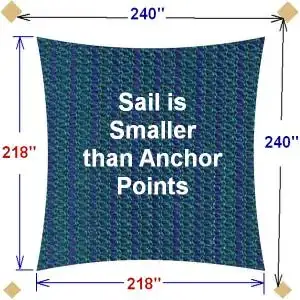
Sun Sails are designed to be mounted under tension. For this reason, they are smaller than the attachment points. We suggest a minimum of 11 inches for mounting hardware plus an additional 5% for fabric stretch shorter than the attachment points. All final shade sail measurements will be approximate due to tolerances during the fabricating process and fabric stretch
The perimeter of each sail is designed with a gentle curve inwards towards the center of the sail to control fabric tension. This inward curve will have a maximum depth, or gore, of approximately 6-10% of the length of that side of the shade sail. Therefore, when tension is placed on the shade sail, the fabric will not wrinkle. Shade sails, when installed properly, do not sag or flap in the wind.
CAUTION: If the area you wish to shade is much longer on one side and not very wide on the other, the inward curve could protrude far enough into the sails shape to make long/skinny Rectangles with very little shade area in the middle, or with Triangles it will made the long corner into a skinny strap, possibly making it useless for shade, but could be an interesting decorative/design feature. So please be careful when designing your shade sails.
Custom Commercial 95 Shade Sail Features:
- Commercial 95 fabric by GALE Pacific Commercial (Formerly Synthesis Fabrics) - Mesh material is a 340 grams per square meter high density polyethylene knitted fabric specially designed to breathe and keep you cooler and more comfortable in hot weather. It blocks up to 98% of the harmful UV rays of the Sun yet remains totally unaffected by moisture and natural temperature extremes. And because the Commercial 95 fabric is knitted, not woven, it will not tear or fray. Shade sails have reinforced webbing around the perimeter and a stainless-steel ring at each corner. The material, itself, is waterproof, but will allow water to pass through it as it is a mesh material.
- Commercial 95 Fabric Specifications.
- Class A Fire Rated Fabric
- NFPA 701 (Methods 1 & 2): This primary national standard for flame propagation in textiles and films, widely required for outdoor fabrics in the US. Commercial 95 meets both methods across all colors, ensuring low flame spread and after-flame times (e.g., flammability index of 1 for FR variant). It's often mandated for tents, awnings, and shade structures in building permits.
- Tested to ASTM D3787 for 1800+ lb break strength in webbing.
- Have been approved to meet CA Fire Marshal #F-93501 for compliant commercial use.
- Special UV inhibitive Thread
- Perimeter UV inhibited webbing or Stainless-Steel aircraft cables (see table below)
- Stainless Steel D-Rings sewn into each corner or attachment point
- Due to the available Commercial 95 fabric widths, your shade sail may have seams which is normal. This helps to minimize fabric waste and helps to keep fabrication costs to a minimum.
- 10-Year UV warranty on fabric - 2 years FULL! - Fabric is warranted against UV Breakdown. Full 2-year warranty on defects in materials or workmanship.
- MADE TO ORDER - No Returns or Refunds
Custom Sun Shade Sail Perimeter Types & Pricing |
|---|
Residential Shade Sail Corner with 1.5 inch webbing.1.5 inch webbing is rated up to 1,800 pound break strength. Typically used for residential shade sails up to about 185 square feet for 3 corner sails, and up to about 240 sqft for 4 corner sails. We double up the webbing on each corner.
|
Heavy-Duty Residential / Light Commercial Shadesail2 inch webbing is rated at a 5,500 pound break strength Used for smaller commercial applications and for larger residential use shade sails up to 560 square feet for 3 corner sails and up to 750 sq ft with 4 corner sails. We double up the webbing on each corner.
|
Light Commercial Sun Sail with 1/8 inch steel cable reinforcement.1/8 inch cable has a 400 pound work load strength and a 2,000 pound break strength. Used for smaller commercial applications where local codes require a steel cable. For use in sails up to 200 square feet with 3 corners or up to 270 sq ft with 4 corners.
|
Commercial Shade Sail with 1/4 inch steel cable reinforcement.1/4 inch cable has a 1,400 pound work load and a 6,000 pound break strength. Used for larger commercial applications where local codes require a steel cable. For use in 3 corner sails up to 620 square feet and up to 820sf for 4 corner sails.
|
|
Note: Cabled perimeter sails are end user adjustable with two included wire clamps at one corner. The fabric will stretch over time and the wire will not. Therefore the wires will need to be adjusted. |
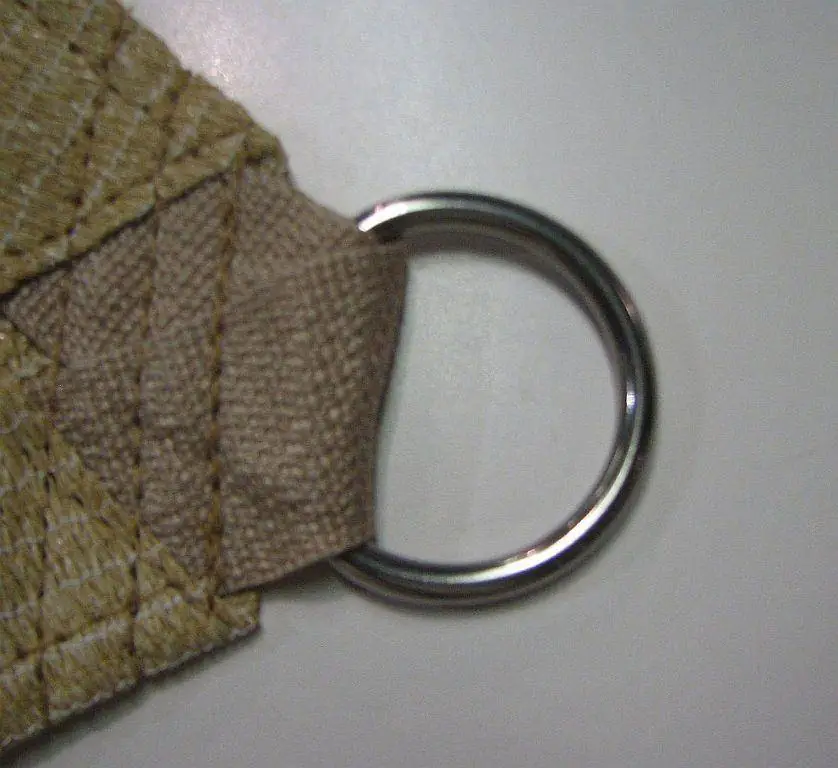 Sail Corner D-Ring with 1.5in Webbing
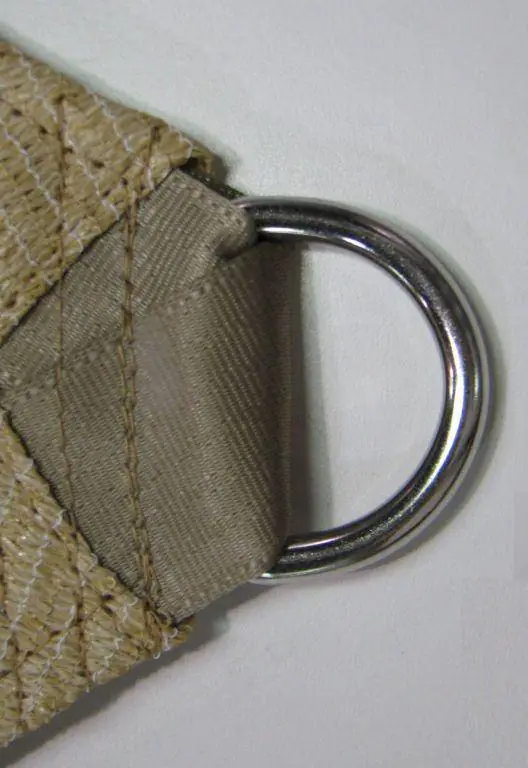 Sail Corner D-Ring with 2in Webbing
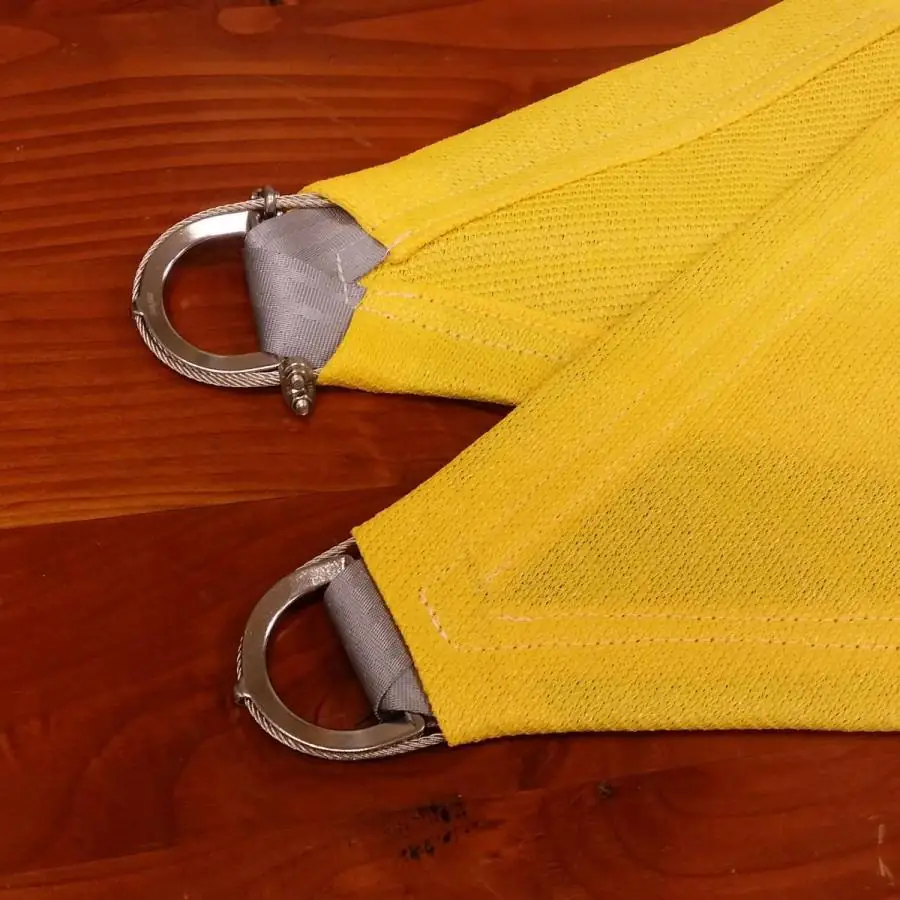 Sail Corner D-Ring with 1/8in cable
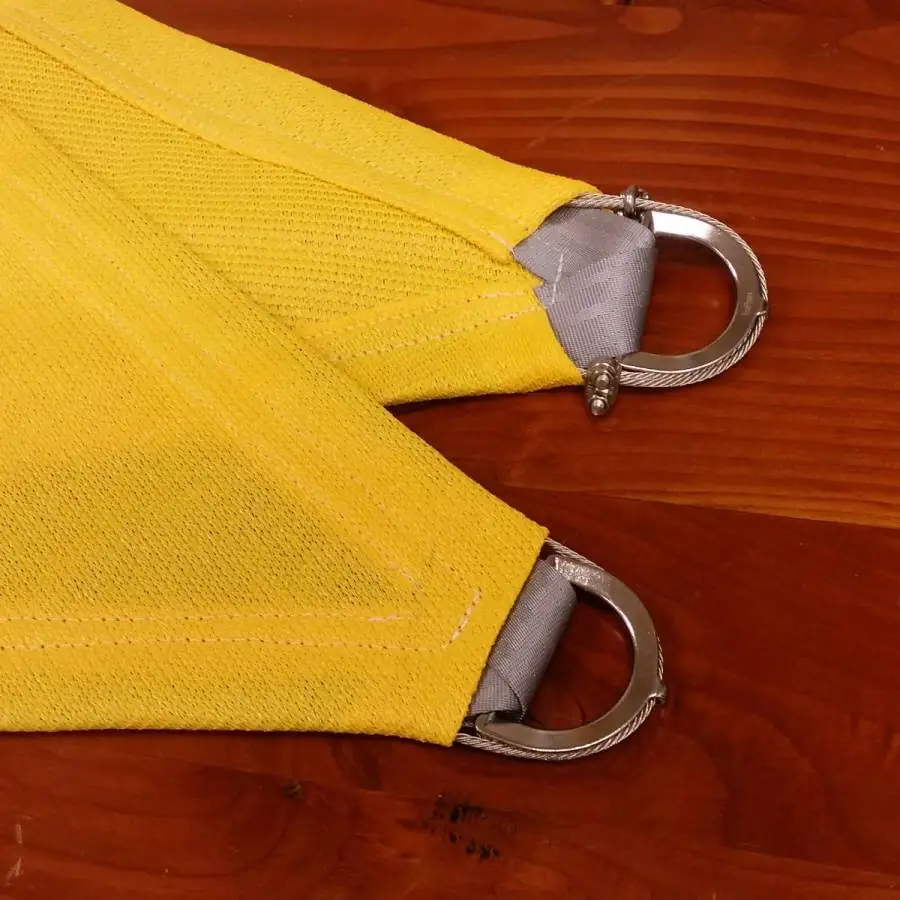 Sail Corner D-Ring with 1/4in cable
Note: Some shade sail shapes and sails with additional corners will have additional costs. There is a 50 square foot minimum charge for any custom shade sails. We strive to offer custom made shade sails at an economical price without sacrificing any quality in our materials or workmanship.
Due to the available Commercial 95 fabric widths, your shade sail may have seams which is normal. This helps to minimize fabric waste and helps to keep fabrication costs to a minimum.
Mounting hardware is not included with the sail. Typical mounting hardware is available below, or can be found at many local hardware stores.
Commercial 95 Sun Shade Sail Fabric Colors
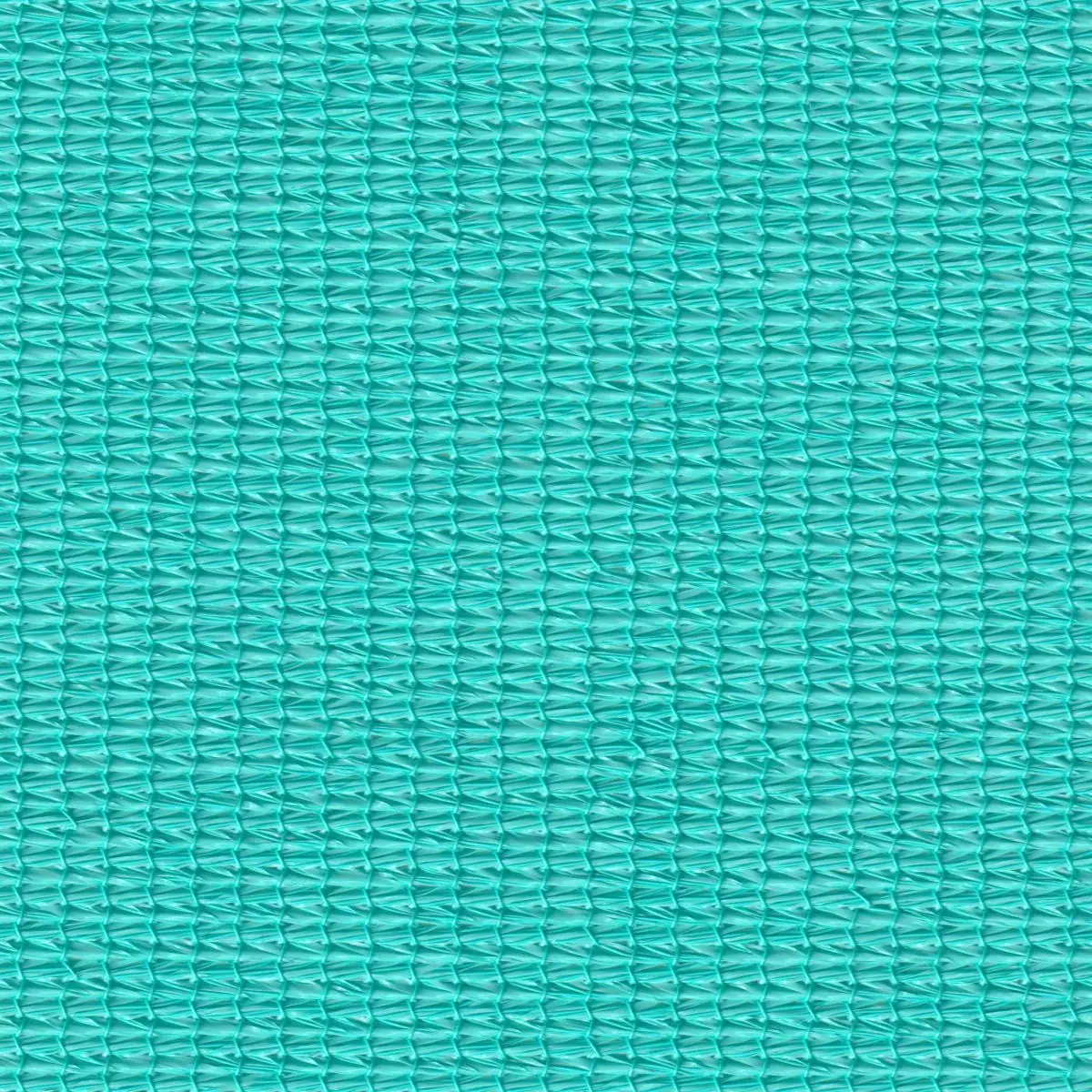
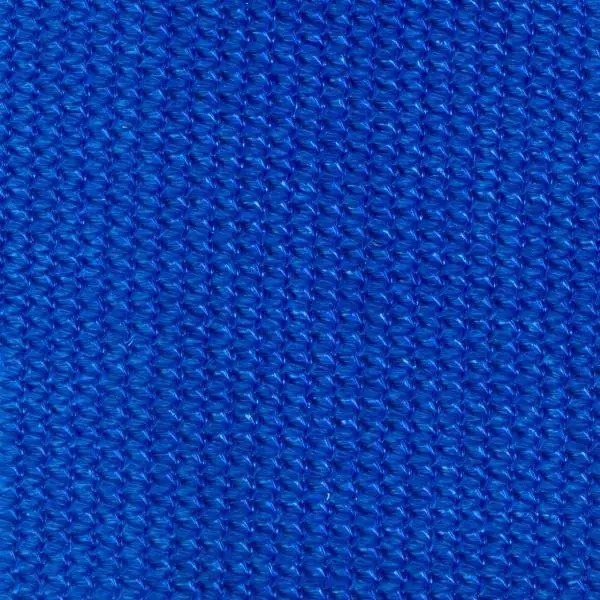
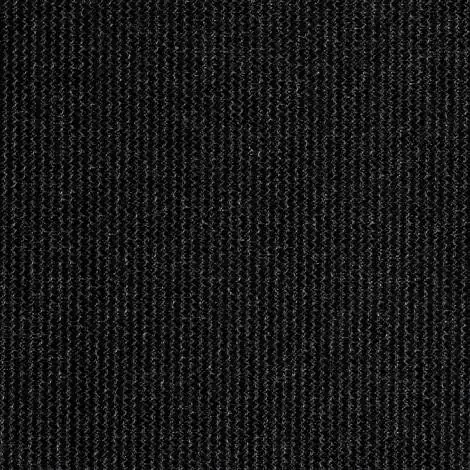

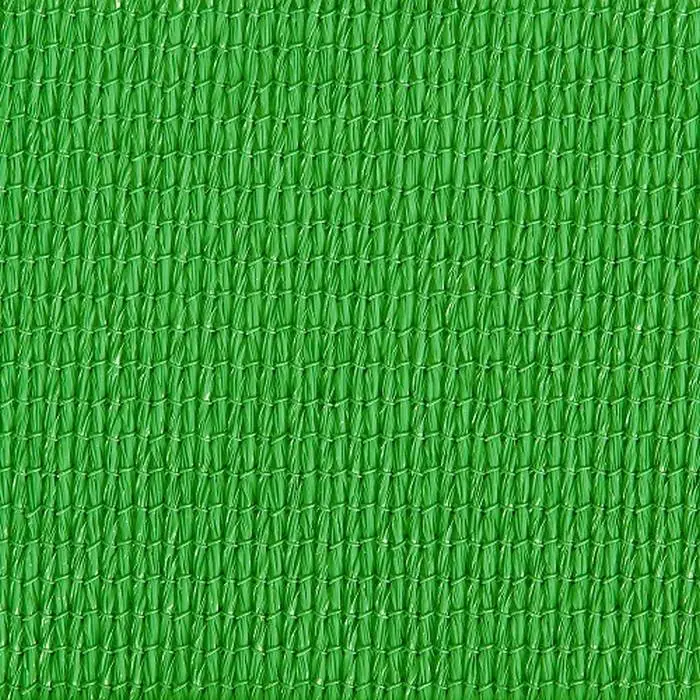
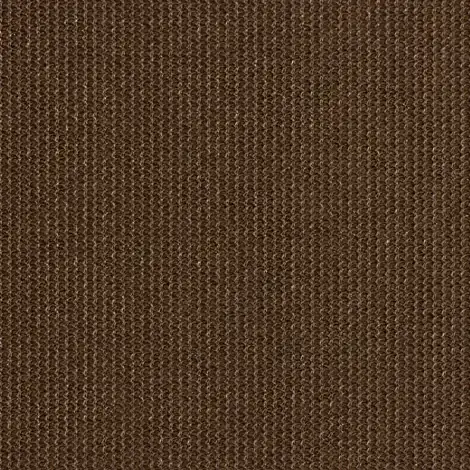
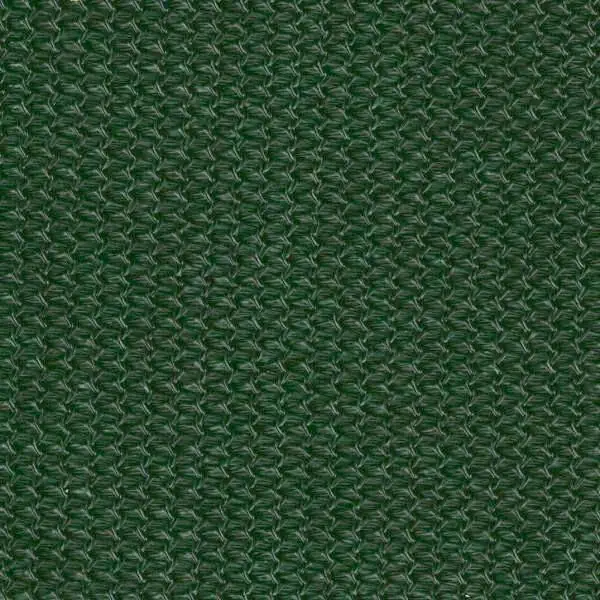
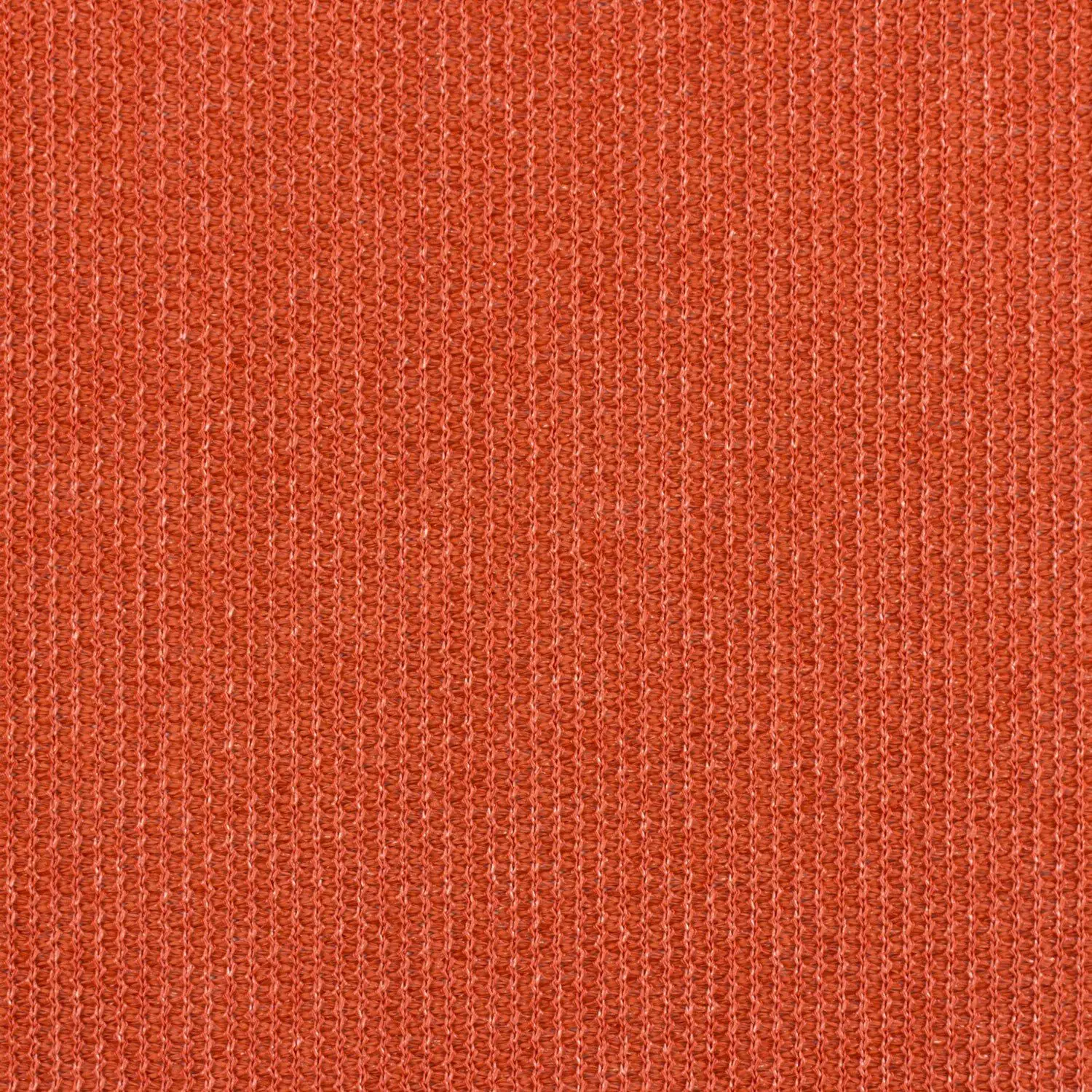
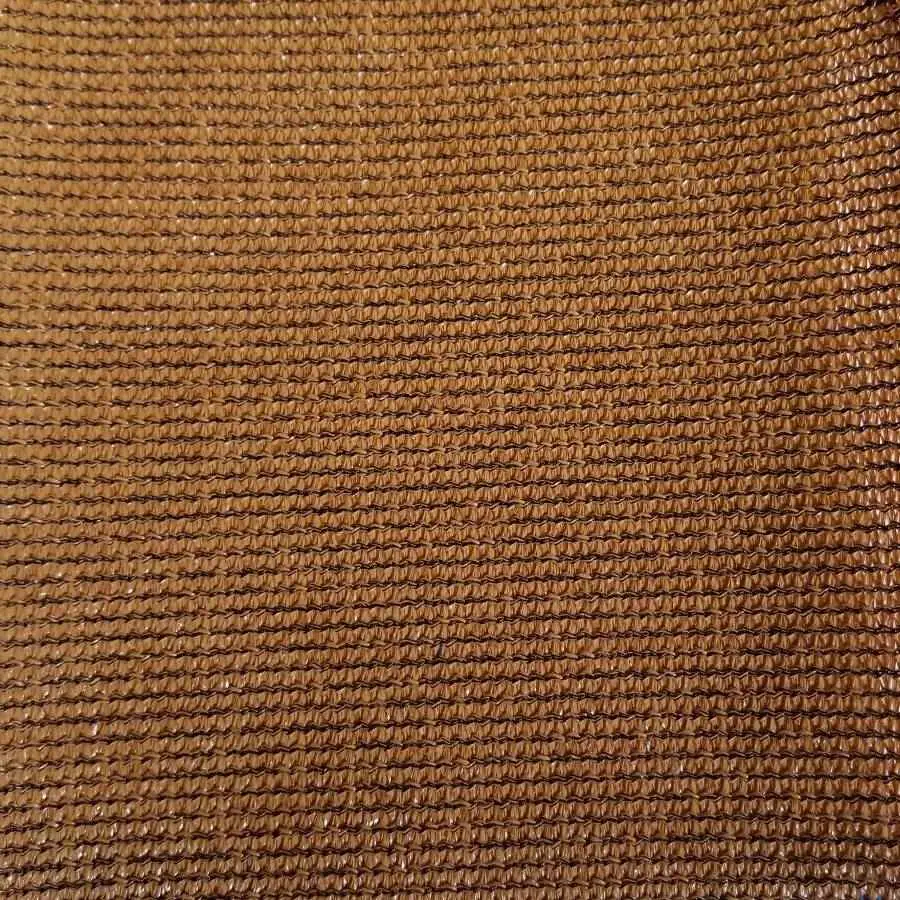
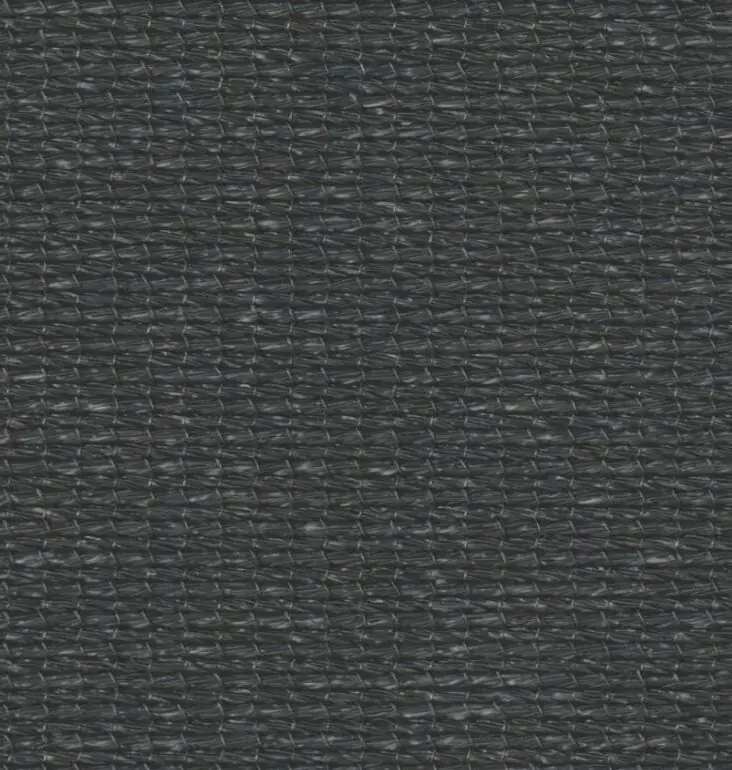
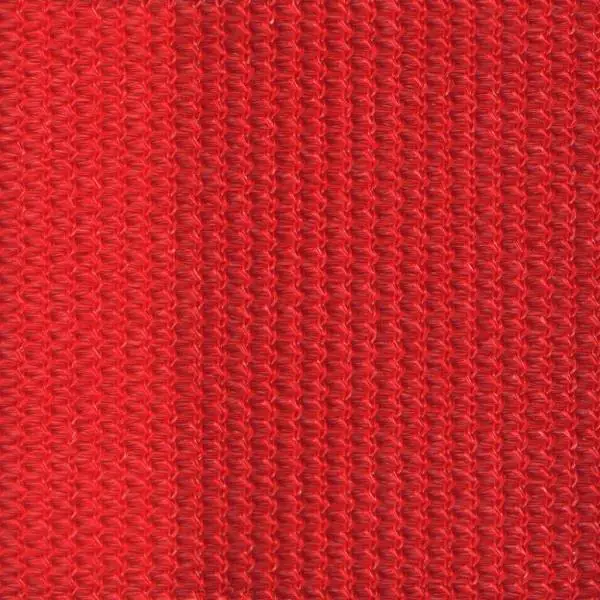
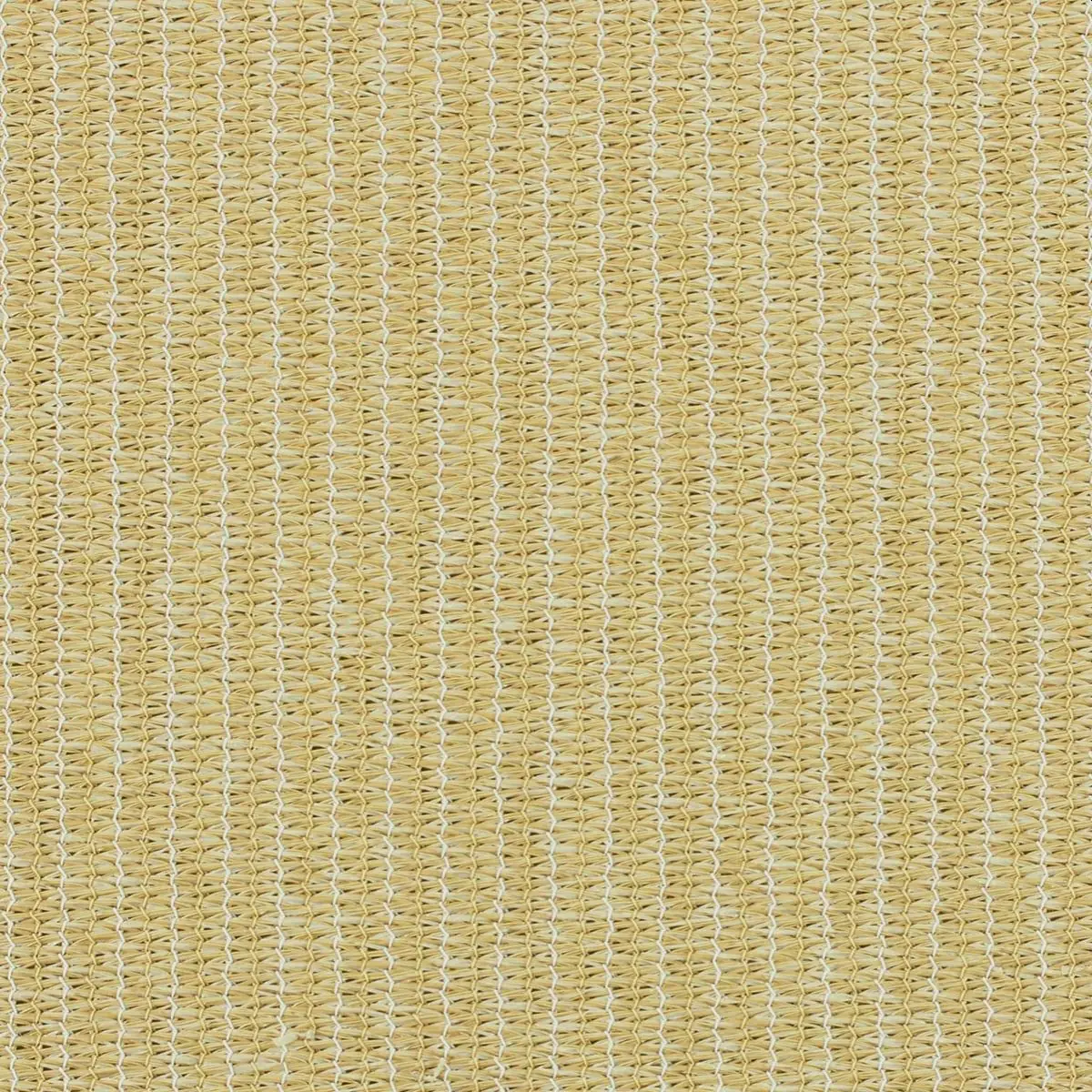
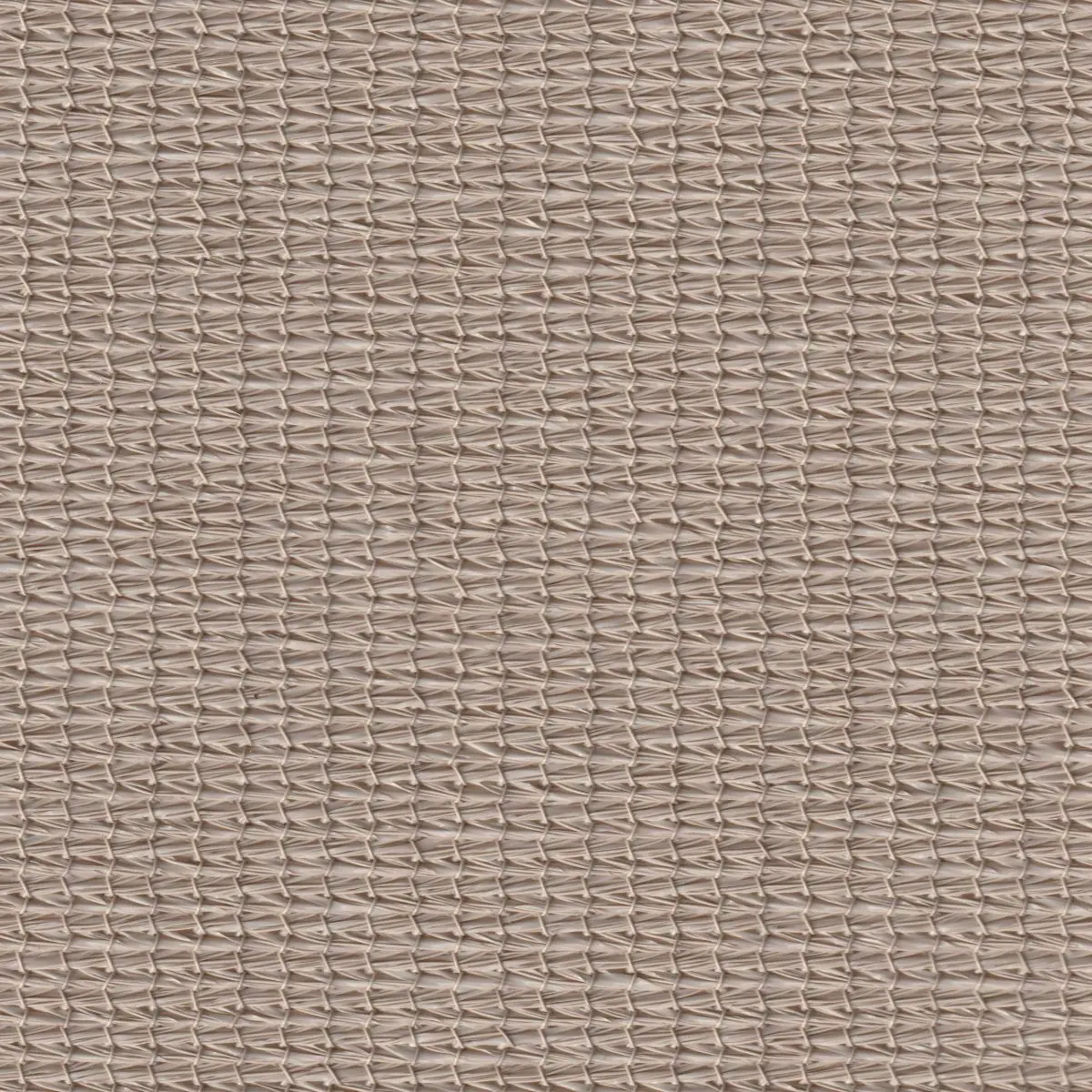
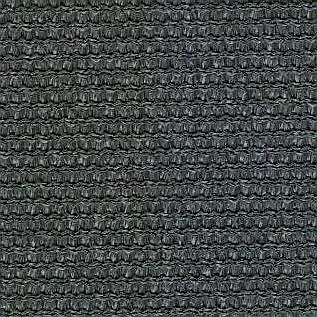
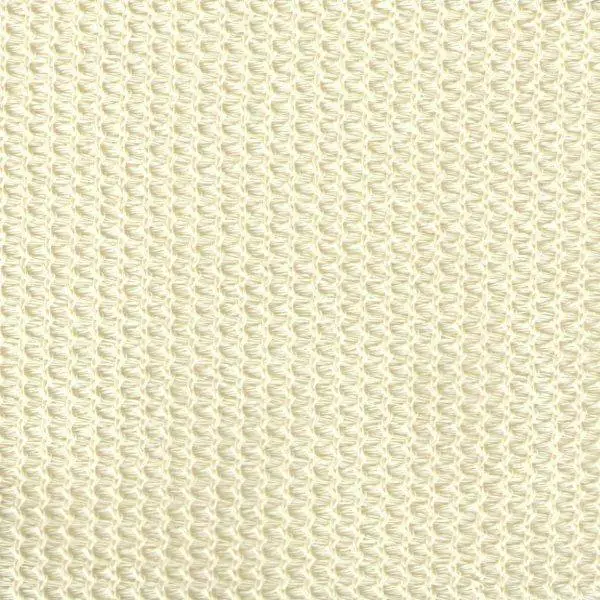
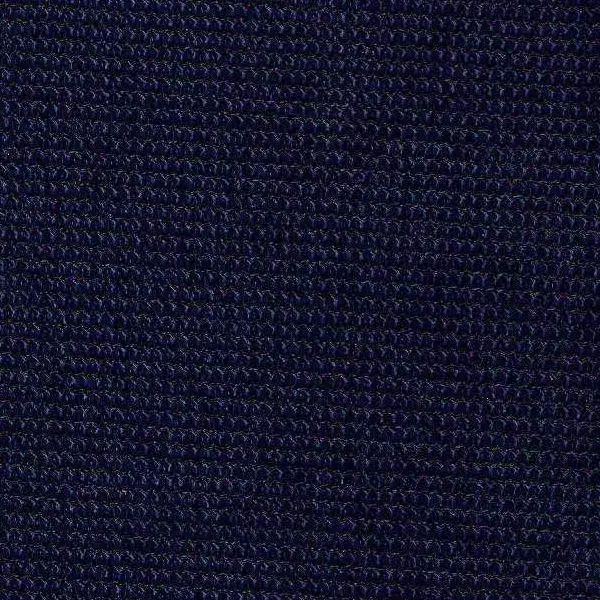
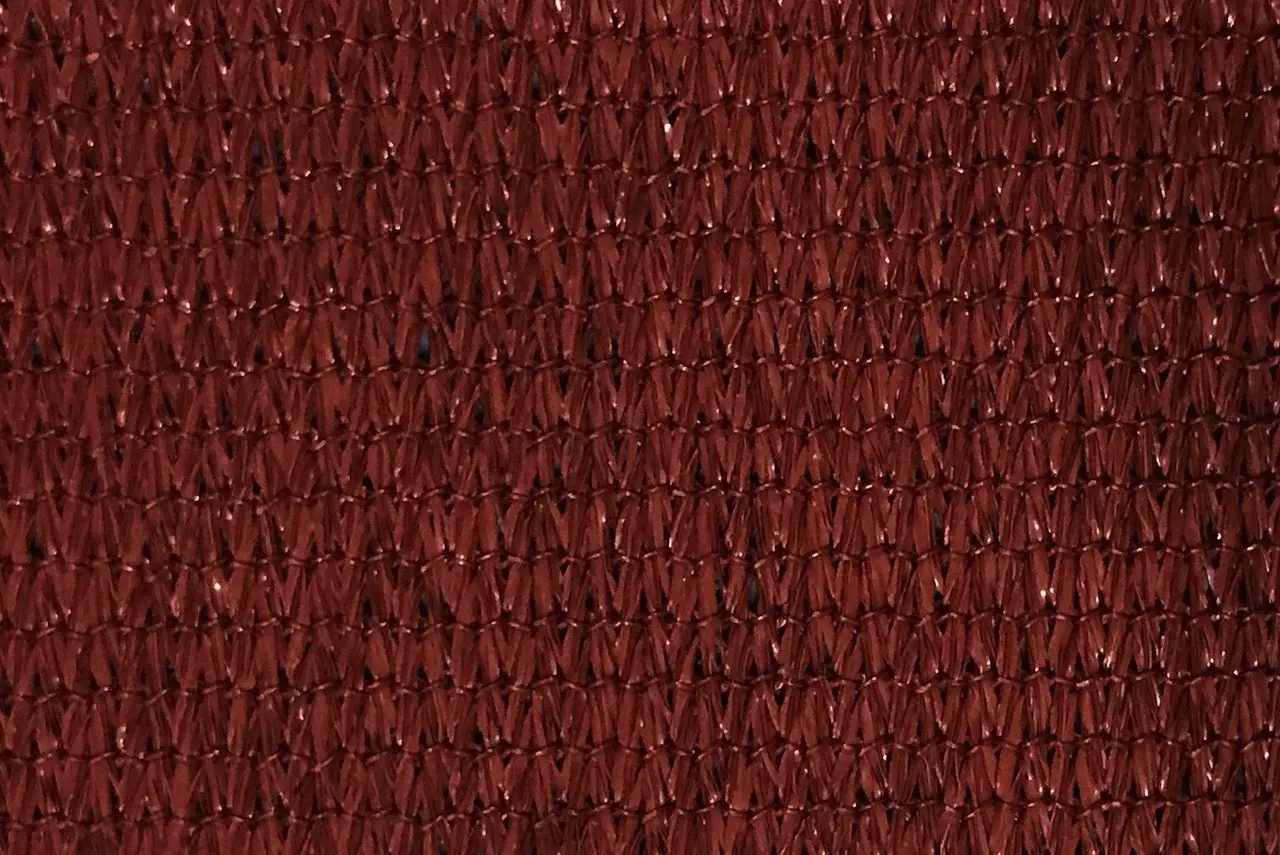
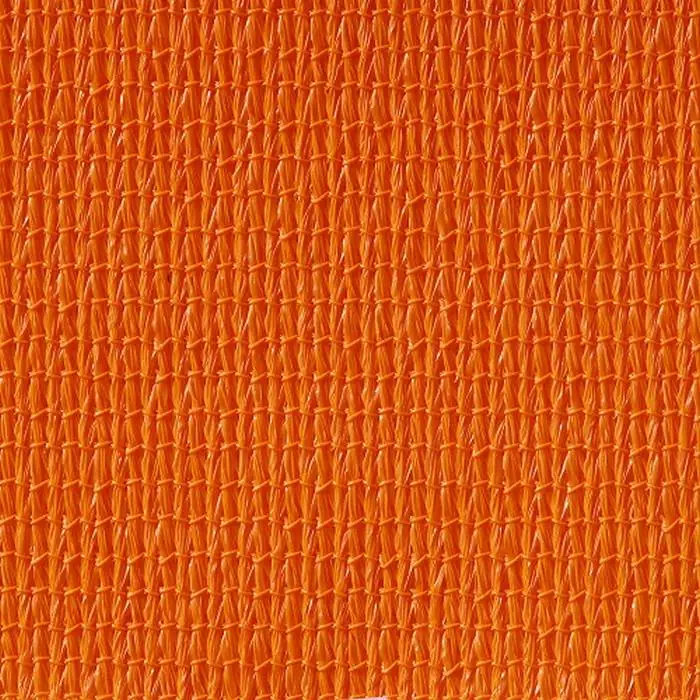
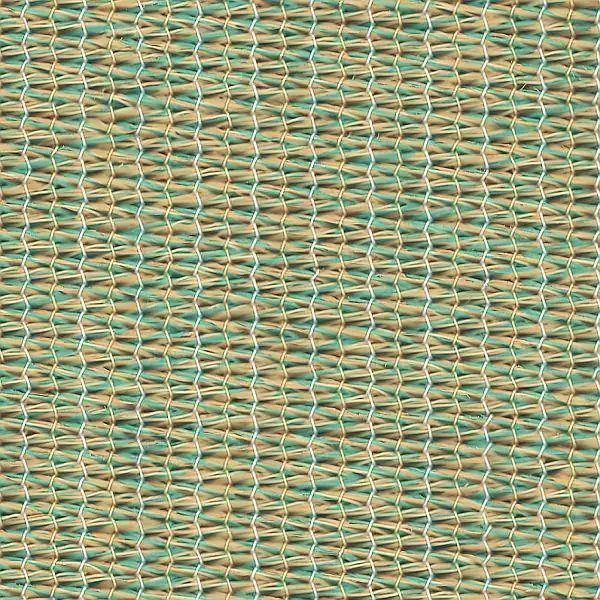
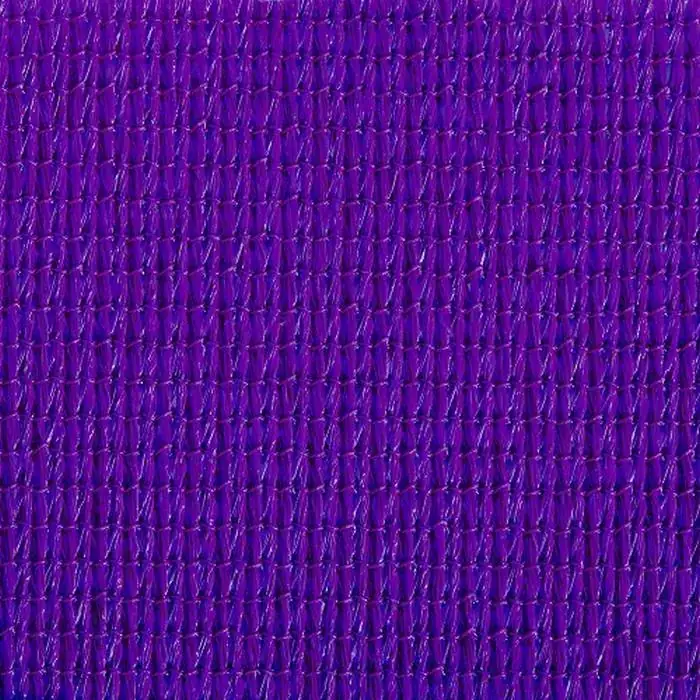
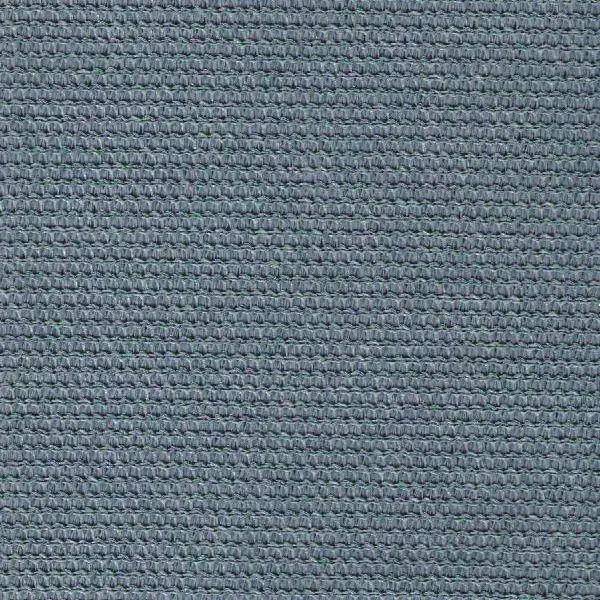
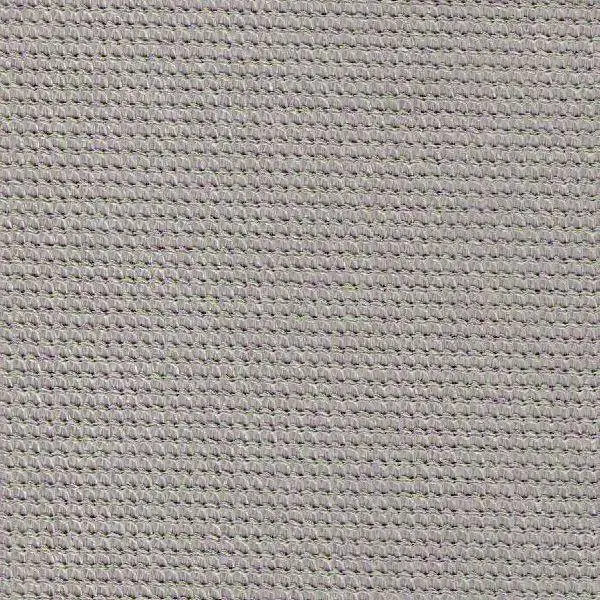
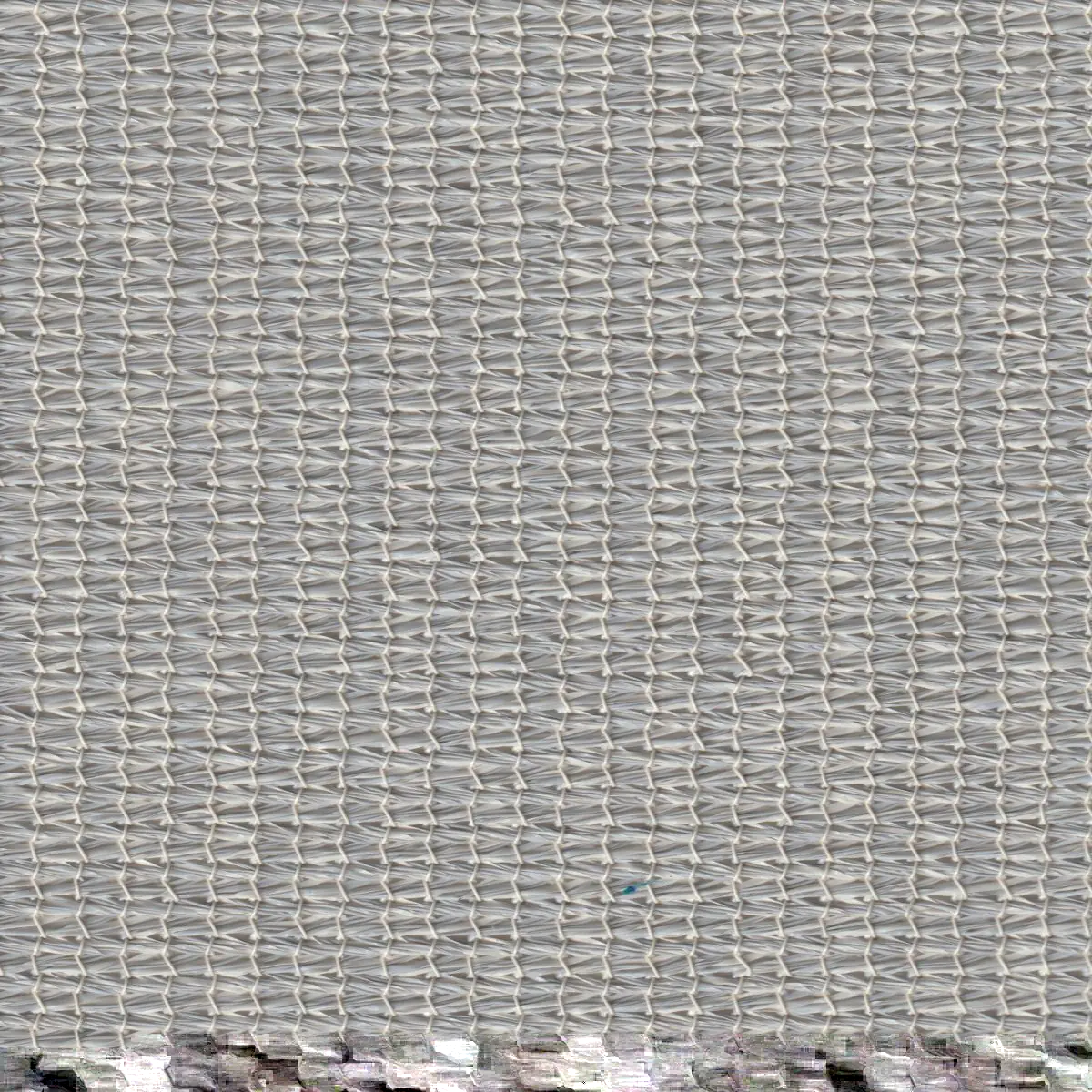
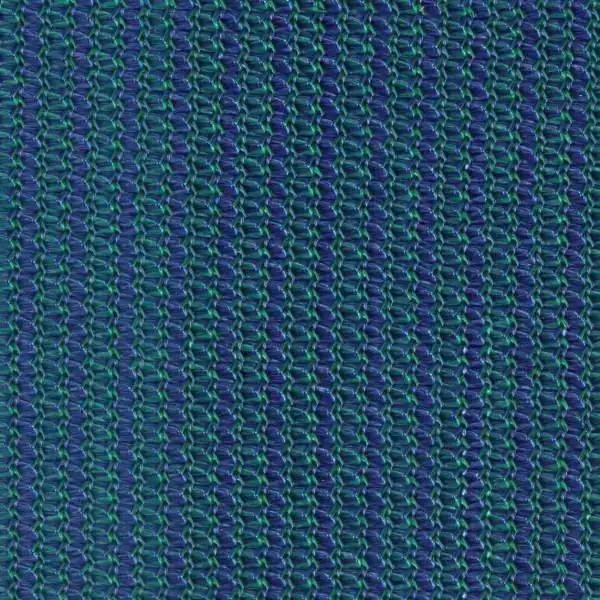
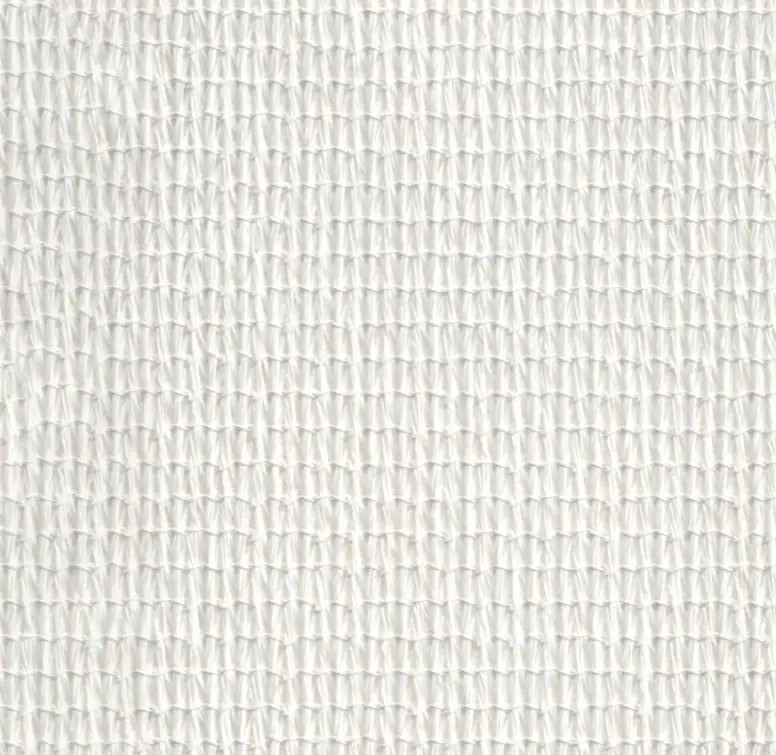
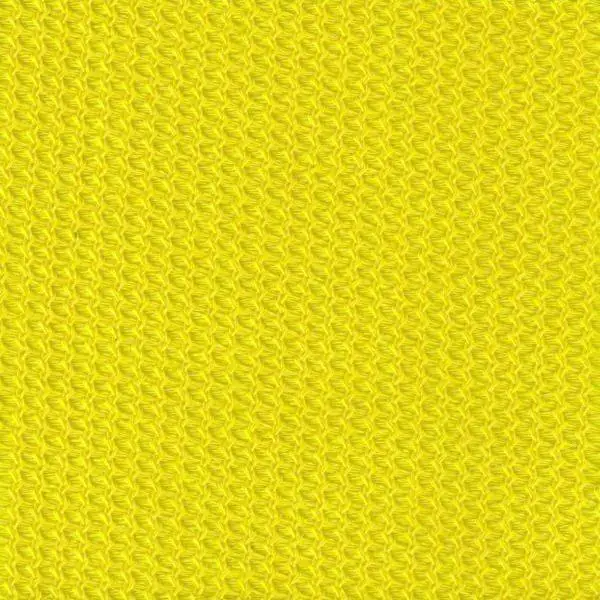
* Denotes a discontinued color of sun shade sail fabric by the manufacturer. We currently have it in stock. Good while supplies last.
All custom shade sails are made to your specifications. All sales are final. No refunds or returns can, or will, be accepted.
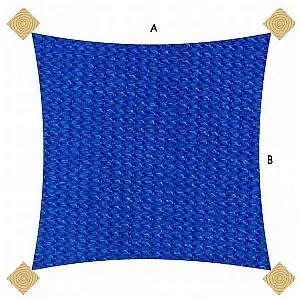 Square Commercial 95 Shade Sails
Price: $399.99Sale Price: $205.00
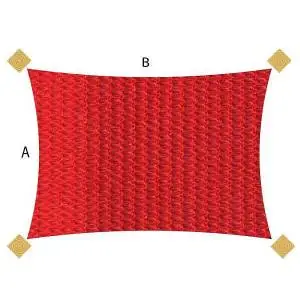 Rectangle Commercial 95 Shade Sails
Price: $399.99Sale Price: $205.00
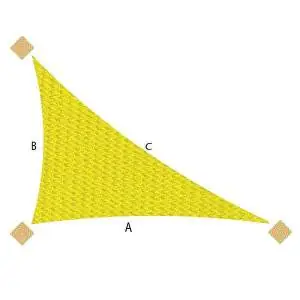 Right Angle Triangle Commercial 95 Shade Sails
Price: $469.99Sale Price: $225.50
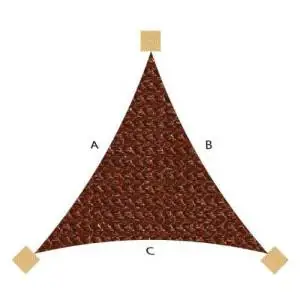 Equilateral Triangle Commercial 95 Shade Sails
Price: $469.99Sale Price: $225.50
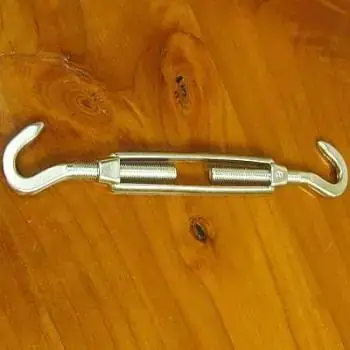 Hook - Hook Sailshade Tensioning Turnbuckle
Price: $29.95Sale Price: $17.95
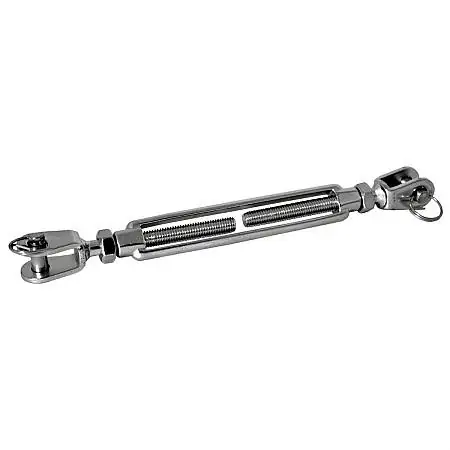 Jaw - Jaw Sailshade Turnbuckle Stainless Steel
Price: $36.95Sale Price: $19.95
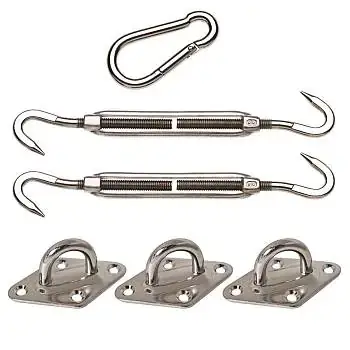 Mounting Hardware Pack - Triangle Sun Shade Sail
Price: $43.99Sale Price: $34.95
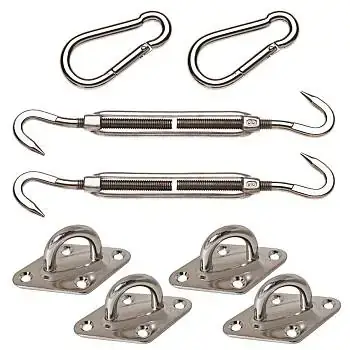 Mounting Hardware 4-Corner Sun Shade Sail
Price: $69.99Sale Price: $44.95
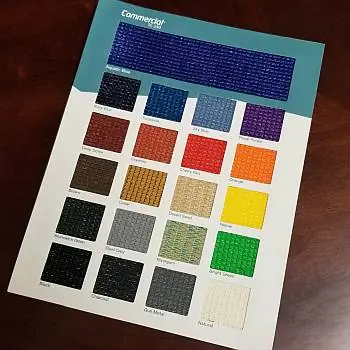 Commercial 95 Fabric Swatch Card
Price: $30.00
Related Products
Last Updated: 05/14/2026 05:11 AM - ID:2125